

A home solar battery stores electricity so you can use it later, most often to hold surplus rooftop solar for the evening instead of exporting it to the grid. Whether one suits your household depends on your solar system, when you use power, your electricity plan and the price you are quoted. This guide explains how batteries work, what to compare and what to ask before you sign, whether you are adding to an existing system or planning solar and battery systems for Adelaide and NSW homes from scratch.
Key takeaways
- A battery stores energy (kWh) and delivers power (kW). You need to check both.
- Usable capacity matters more than the headline number on a brochure.
- Most grid-connected systems do not power your home in a blackout unless they are designed and wired for backup.
- Whether a battery is financially worthwhile depends on your usage, tariff, solar system, installed price and incentives. There is no universal answer.
- Compare complete, like-for-like written quotes, not just price or capacity.
How does a home solar battery work?
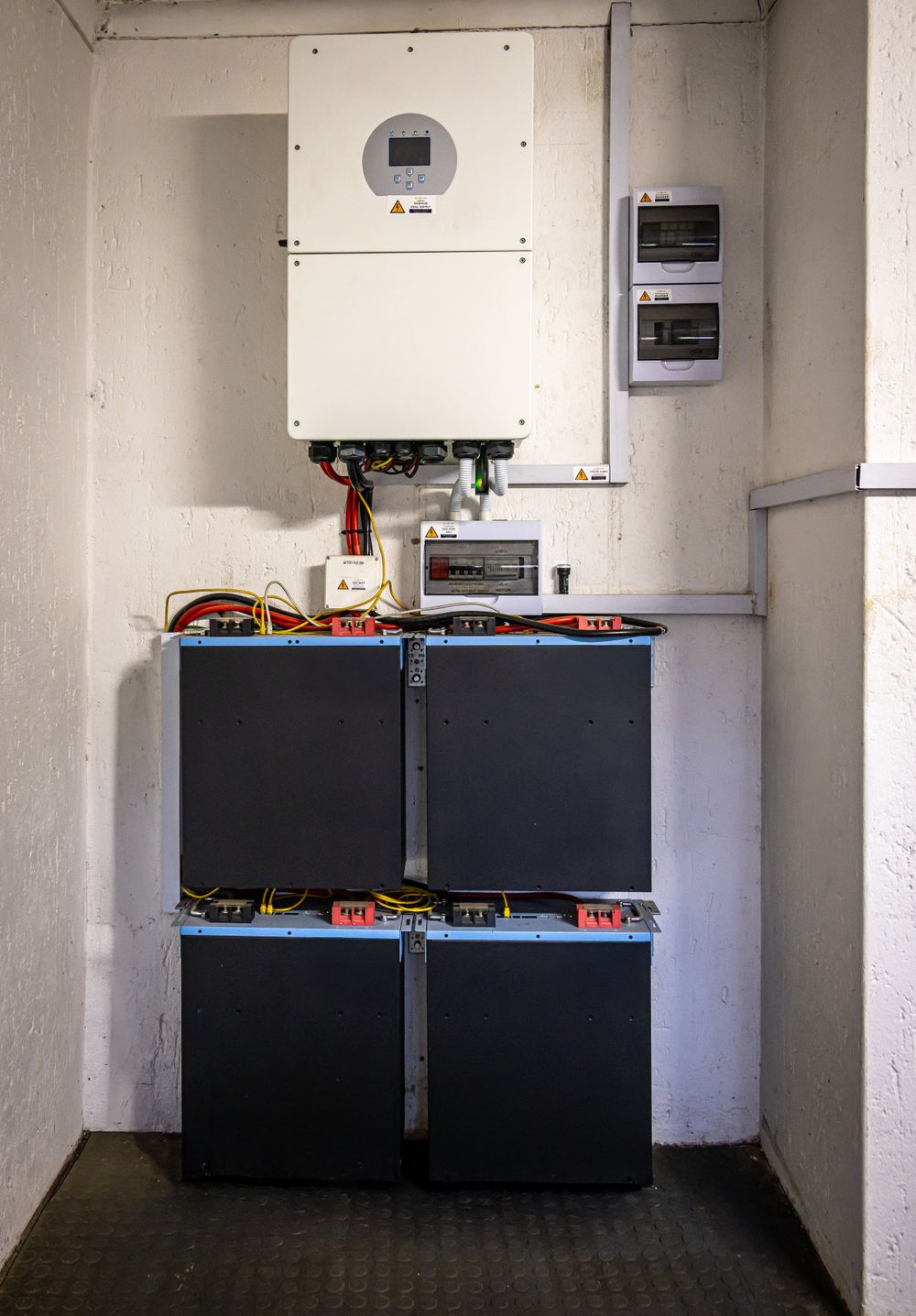
A solar battery sits alongside your solar panels and your switchboard. During the day your panels power your home first. Surplus electricity can then charge the battery instead of being exported. When the sun drops, the battery can supply your home so you import less from the grid. If the battery is empty or your demand is high, the grid still tops you up.
Four parts do most of the work:
- Battery cells and battery management system (BMS): the cells store energy and the BMS monitors temperature, voltage and charge to protect them.
- Inverter: solar panels and batteries produce direct current (DC), while your home runs on alternating current (AC). An inverter converts between the two. Some systems use one hybrid inverter for both solar and battery.
- Switchboard and meter: these connect the system to your home’s circuits and the grid.
- Software and settings: how the battery behaves, such as when it charges, when it discharges and how much it holds in reserve, is set by the product and your installer. Your electricity plan also changes what makes sense.
Not every system works the same way. Product design, inverter set-up, settings and tariffs all change how your battery behaves day to day.

Is a home solar battery worth buying in Australia?
It can be, but it depends on the household. A battery tends to suit homes that:
- export a lot of solar in the middle of the day,
- use more electricity in the evening and overnight,
- pay relatively high prices for imported power,
- want some backup during outages, and
- have suitable solar, switchboard capacity and a compliant place to install it.
It may offer less value where daytime exports are small, overall usage is low, the tariff does not reward shifting energy, the installed price is high for the capacity, or you expect to move soon.
The financial result is shaped by installed price, usable capacity, efficiency, how much you use, your export credits and import rates, how often the battery cycles, degradation over time, finance costs and incentives. We do not quote a typical payback because it would be misleading. For a deeper look, read our guide on whether a solar battery is worth it in Australia.
Benefits and limitations
Possible benefits
- Use more of the solar you generate.
- Shift some solar energy to later in the day.
- Reduce some grid imports.
- Backup power when the system is designed and configured for it.
- Potential participation in eligible virtual power plant (VPP) or demand-response programs.
Limitations to weigh
- Upfront purchase and installation cost.
- Energy is lost in conversion, so you get back less than you store.
- Storage is limited, and a battery can be empty on a poor solar day.
- Capacity declines over time.
- Possible service or replacement costs outside warranty.
- Space, temperature and location requirements.
- Backup often needs extra equipment and may cover only some circuits.
- Tariffs, incentives and program rules change.
A battery will not automatically eliminate your bill, and it will not guarantee power in every blackout.
What size home solar battery do you need?
Battery size is described in kilowatt-hours (kWh). Two figures appear on specifications:
- Nominal capacity: the maximum energy the battery can store at full charge.
- Usable capacity: the energy you can actually draw out. This is the figure that reflects what your home can use.
The Clean Energy Regulator uses both: eligibility for the federal discount is set by nominal capacity, while certificates are calculated from usable capacity.
Think about:
- your total daily usage and, in particular, your evening and overnight usage,
- how much surplus solar you export,
- which loads you would want to keep running in an outage,
- how long you want backup to last,
- whether you can charge the battery enough on winter days, and
- plans for an electric vehicle or other electrification.
Illustrative example only, not a recommendation. Imagine a home that uses about 8 kWh between 6pm and 6am and exports about 10 kWh on an average sunny day. A battery with roughly 8 kWh of usable capacity would cover most of that evening use, while a much larger unit might rarely fill. These numbers are assumptions made up for explanation. Your own bills and smart meter data should drive the decision.
Bigger is not automatically better. Oversizing can raise the price without delivering equivalent value, because a battery that seldom fills cannot repay its extra capacity.
Power output is separate from capacity. Power, measured in kilowatts (kW), is how much the battery can supply at once. A battery with plenty of kWh but low kW may not run several large appliances together. Check both continuous output and surge output.
Types of home solar batteries
Almost all modern home batteries sold in Australia use lithium-ion technology. The Clean Energy Council’s approved battery list covers lithium-based batteries, and the federal discount requires a listed product. Two lithium chemistries are most relevant:
Lead-acid batteries are far less common for modern grid-connected home solar. They are not on the lithium-based list used for the federal program, so check eligibility carefully if you are considering one.
Neither chemistry is universally best. Product design, thermal management, warranty terms, installation quality and manufacturer support matter just as much. Always compare the specific product’s datasheet and warranty rather than the chemistry label alone.
AC-coupled and DC-coupled batteries
How the battery connects to your solar affects compatibility and design.
Neither is universally superior. Which one fits depends on your existing solar, the products involved and the proposed electrical design. Efficiency differences exist, but the size of the gap varies by product, so ask for manufacturer figures and how they were measured.
Single-phase, three-phase and inverter compatibility
Your home is supplied with either single-phase or three-phase power, and this can affect which battery and inverter will work. Points to check with your installer:
- whether your supply is single-phase or three-phase and how the product handles each,
- whether your existing solar inverter is compatible with the battery,
- whether a hybrid inverter is an option,
- any export limits or requirements set by your electricity distributor, and
- what monitoring and energy-management tools come with the system.
Requirements vary by product, design and local network, so a qualified installer should check your site’s electrical set-up before quoting.
Can a home solar battery provide backup during a blackout?
Not automatically. Standard grid-connected solar inverters are designed to shut down when the grid fails, as a safety measure, and many batteries behave the same way unless set up otherwise. Backup requires a backup-capable system, which typically includes some combination of a backup-capable inverter, a backup gateway or changeover device, and dedicated wiring.
Key points to confirm:
- Capacity is not output. Runtime depends on stored energy (kWh), while what you can run at once depends on power (kW) and surge capability.
- Reserve settings. You can keep part of the battery in reserve for outages, but reserved energy is not available for everyday use.
- Solar during an outage. Whether your panels keep charging the battery in a blackout depends on the system design.
Never assume whole-home backup unless your quote says the system has been designed and configured for it.
What does a home solar battery cost in Australia?
Installed price depends on many factors, and quotes vary widely, so this guide does not publish a price table. Common cost drivers include:
- battery capacity and model,
- whether you need a new or hybrid inverter,
- whether solar is already installed,
- electrical or switchboard upgrades,
- backup equipment such as a gateway,
- installation complexity and location,
- network or compliance requirements,
- monitoring and energy-management equipment, and
- labour, commissioning and any extra charges.
When comparing prices, check whether a figure is for equipment only or a complete installation, whether GST is included, and whether incentives have already been deducted. Our guide on solar battery cost in Australia explains what quotes include and how to compare them.
Solar battery rebates and incentives
Support depends on the current federal program, your state or territory, your installation date and eligibility rules. The federal Cheaper Home Batteries Program works through small-scale technology certificates (STCs). Under the Clean Energy Regulator’s rules, the battery must be new, listed on the Clean Energy Council approved list, installed with solar PV by an accredited installer, and grid-connected batteries must be VPP-capable, although joining a VPP is optional. The size of the discount depends on usable capacity and the installation date, and the program steps down over time. See our Cheaper Home Batteries Program guide for how the discount is worked out, and check the Department of Climate Change, Energy, the Environment and Water page for current rules.
Before you rely on any incentive, check:
- that the product and installer qualify,
- application dates and funding availability,
- whether incentives can be combined, and
- whether the discount is taken off your invoice or claimed separately.
Advertised amounts are not guarantees, and not every household qualifies.
How long does a home solar battery last?
Several different measures are easy to confuse:
- Warranty period: how long the manufacturer promises to cover defects or a minimum capacity.
- Expected service life: how long the battery is likely to keep working in practice, which no warranty guarantees.
- Cycle life: how many charge and discharge cycles a battery is rated for.
- Capacity retention: how much usable capacity remains after a period or amount of use.
Temperature, how deeply and how often you cycle the battery, the chemistry, system settings and product design all influence long-term performance. Use specific warranty and lifespan figures only from the manufacturer’s current documents, and remember a warranty is not a promise of exact real-world life.
Safety, installation and maintenance
Home batteries should be installed by qualified, authorised professionals and in line with the manufacturer’s instructions. In Australia, AS/NZS 5139 sets out installation requirements for battery systems used with power conversion equipment, including where batteries may and may not be placed. Locations such as habitable rooms, ceiling spaces and wall cavities are restricted, and your installer decides the compliant location on site.
Practical points for homeowners:
- choose a location that suits the product’s temperature and weather rating,
- keep access and working space clear,
- do not store items against or on top of the battery,
- watch your monitoring app for faults and follow manufacturer guidance, and
- never attempt DIY installation or repairs.
Safety depends on the product, the installation, the site and compliance with current requirements, so ask your installer which standards the installation meets.
Warranties, monitoring and after-sales support
Read the product documentation, not just the sales summary. Check:
- warranty duration,
- the capacity-retention condition, such as a minimum percentage after a set period,
- any throughput or cycle limits,
- exclusions and required operating conditions,
- who handles warranty claims, the installer or the manufacturer,
- app and monitoring features, and
- software updates, connectivity requirements and service availability.
Warranties differ between manufacturers and products, so one product’s terms say nothing about another’s. The Victorian Government’s solar battery buyers guide also notes that manufacturers and installers can disappear, so consider the stability and track record of both. It also advises against buying from door-to-door or cold-calling salespeople.
Can a home solar battery work with an existing solar system?
Often yes, but the details matter. Key things to review:
- the model and age of your solar inverter,
- whether an AC-coupled or DC-coupled design is proposed,
- your existing system’s size,
- available space in your switchboard,
- communication between the battery and your inverter,
- your backup goals,
- whether the inverter may need replacing, and
- distributor connection requirements.
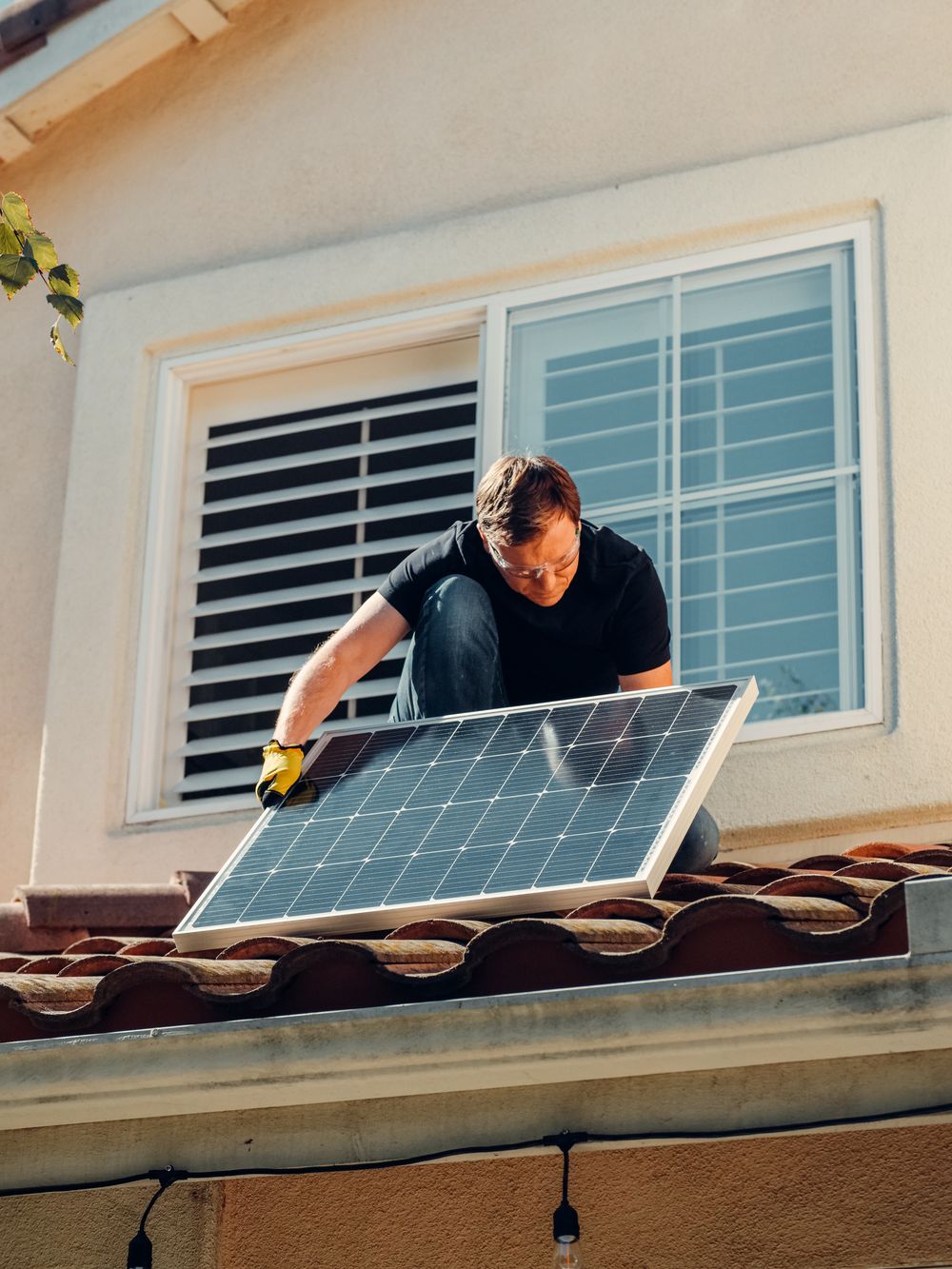
A site assessment or detailed review of your existing system may be needed before anyone can confirm compatibility. See our guide on adding a battery to an existing solar system.
Virtual power plants and electricity plans
A virtual power plant (VPP) links many home batteries and controls them with software so they can support the grid at times of high demand. If you enrol, your retailer or VPP operator may coordinate when your battery charges and discharges, and you may receive payments, bill credits or an incentive.
Check these before agreeing:
- whether payments are guaranteed in the contract or depend on market conditions,
- any export or dispatch requirements,
- how much reserve you can keep for backup,
- contract length and exit conditions, and
- what happens if you move.
Do not assume earnings. Compare the actual contract terms. Our explainer on virtual power plants in NSW covers how one state’s incentive works.
How to choose the right home solar battery
Work through this checklist:
- Usage: know your evening, overnight and seasonal use.
- Solar compatibility: confirm your inverter and panels work with the proposed system.
- Usable capacity: match it to your needs, not the brochure.
- Power: check continuous and surge output.
- Backup: decide what you want to keep running and for how long.
- Efficiency: ask for the manufacturer’s figures and how they were measured.
- Warranty: read the capacity-retention and throughput conditions.
- Location and safety: confirm a compliant place to install it.
- Monitoring and controls: check the app, settings and update support.
- VPP: check compatibility and contract terms if you plan to join one.
- Total installed price: compare complete quotes.
- Installer and support: check qualifications and after-sales service.
- Incentives: confirm current eligibility in writing.
Compare complete, like-for-like proposals. Two quotes with similar headline prices can differ in usable capacity, backup, inverter, warranty and inclusions.
Questions to ask before buying
- What is the battery’s usable capacity?
- What continuous and surge power can it supply?
- Will it work with my existing solar inverter?
- What happens during a blackout?
- Which circuits receive backup power?
- What is included in the installed quote, and what is excluded?
- What are the warranty conditions, including capacity retention?
- What current incentives do I qualify for, and how are they applied?
- Can the battery join a VPP, and what are the contract terms?
- What monitoring, service and after-sales support are available?
- Is the product on the Clean Energy Council approved list?
- Which standards will the installation meet, and where will the battery go?
Common home solar battery buying mistakes
- Buying more storage than the household needs.
- Comparing nominal capacity instead of usable capacity.
- Ignoring power output.
- Assuming every battery provides blackout protection.
- Choosing a product without checking inverter compatibility.
- Relying on headline rebate or savings claims.
- Ignoring tariff and export-credit conditions.
- Overlooking installation exclusions.
- Not reading the warranty terms.
- Joining a VPP without understanding the conditions.
- Deciding without comparing equivalent quotes.
Frequently asked questions
What is the best home solar battery for an Australian home?
There is no single best battery. The right choice depends on your solar system, usage, backup needs, space, budget and electricity plan. Compare usable capacity, power output, warranty conditions, inverter compatibility and installer support across complete quotes, and make sure the product is on the Clean Energy Council approved list.
How many kWh of battery storage does a house need?
It depends on your evening and overnight usage, how much surplus solar you have and what you want to run in an outage. Check your bills or smart meter data first. A larger battery is not automatically better, because capacity that rarely fills adds cost without matching benefit.
Can I add a battery to my existing solar panels?
Often yes, but compatibility varies. An installer needs to check your existing inverter, whether an AC-coupled or DC-coupled design suits, switchboard space and distributor requirements. Some systems need an inverter replacement, so a site assessment or detailed system review is usually required before a firm quote.
Will my solar battery work during a blackout?
Only if it has been designed and set up for backup. Standard grid-connected solar systems shut down during an outage for safety. Backup needs a backup-capable inverter or gateway and dedicated wiring, and it may cover only selected circuits. Ask your installer exactly what the proposed system will power.
How much does a home solar battery cost in Australia?
Installed cost varies with capacity, model, inverter needs, backup equipment, installation complexity and whether incentives are deducted. Published prices differ widely, so compare written, itemised quotes. Check whether GST and incentives are included and whether the price covers a complete installation.
How long does a home battery last?
It depends on the product, chemistry, temperature, how it is used and its settings. Warranty period, cycle life and real-world service life are different measures. Check the manufacturer’s current warranty for duration and capacity-retention terms, and remember a warranty is not a guarantee of actual lifespan.
Are home solar batteries worth it?
It depends on your household. Homes with surplus daytime solar and high evening use may see more value than homes with low usage or limited exports. Installed price, tariffs, export credits, degradation and incentives all matter, so use your own numbers rather than a general answer.
Can I use a battery without solar panels?
A battery can technically charge from the grid, but this is a different use case. For the federal Cheaper Home Batteries Program, the Clean Energy Regulator states that batteries installed without solar PV, which only store energy from the grid, are not eligible. Check each incentive’s rules.
Can a home battery reduce electricity bills?
It can reduce grid imports by storing solar for later, but results vary. Your usage pattern, solar system, tariff and export credits all affect the outcome. A battery will not automatically eliminate your bill, and no installer can honestly guarantee a specific saving without your usage data.
Do solar batteries need maintenance?
Home batteries generally need little hands-on maintenance, but you should follow the manufacturer’s instructions. Keep the area around the unit clear, monitor your app for fault alerts and arrange servicing through qualified professionals. Do not attempt DIY repairs. Ask what servicing and support is included in your warranty.
Can a battery charge from the grid?
Some systems can, depending on the product, settings and your electricity plan. Grid charging may suit time-of-use tariffs or cheap-rate windows, but it may also affect eligibility for some incentives and how a VPP operates. Ask your installer how the system is configured and what your retailer allows.
Can I charge my battery using daytime electricity offers?
Possibly, if your battery supports scheduled or grid charging and your retailer’s offer allows it. Offers differ by retailer and region, and terms change. Read the plan conditions and check with your installer first. Our guide to the Solar Sharer Offer explains one such offer.
Next steps
Before you choose, collect your recent bills, check your solar system’s details and decide what you want from a battery, such as lower imports, backup or both. Then compare written quotes on usable capacity, power output, backup, warranty, inclusions, eligible incentives and total installed price. If you would like help comparing options for your home, request a quote from UR Local Solar. Eligibility and amounts for any incentive are always determined under each program’s rules.