During the day, your solar panels can generate more electricity than your home needs. But what happens to that energy once the sun goes down?
The answer depends on your solar setup.
If you have a solar battery, your unused solar energy can be stored during the day and used at night. If you don’t have a battery, excess electricity is typically exported to the grid, while your home draws electricity from the grid after your solar panels stop generating power.
Understanding this process can help you decide whether adding battery storage could make your solar system work harder for your home.
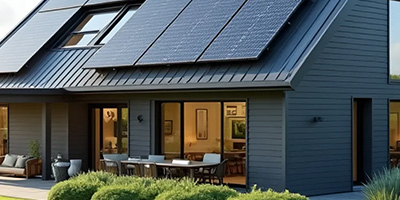
How Solar Power Works During the Day
Solar panels generate electricity when sunlight hits the photovoltaic cells.
Your home uses this electricity first. For example, your solar system might be producing enough power to run:
- Air conditioning
- Refrigerators and appliances
- Washing machines
- Pool pumps
- Lighting
- Home office equipment
If your solar panels produce more electricity than your home is using, the surplus power has to go somewhere.
This is where your options begin to differ.
What Happens to Excess Solar Energy?
There are generally two things that can happen to excess solar electricity.
1. It Can Be Sent to the Grid
If you don’t have a battery, excess electricity may be exported to the electricity grid.
Depending on your electricity retailer and plan, you may receive a feed-in tariff for the electricity you export.
However, the amount you receive for exported electricity can be considerably lower than the price you pay when buying electricity from the grid.
This means that simply exporting your excess solar power isn’t always the most valuable way to use it.
2. It Can Be Stored in a Solar Battery
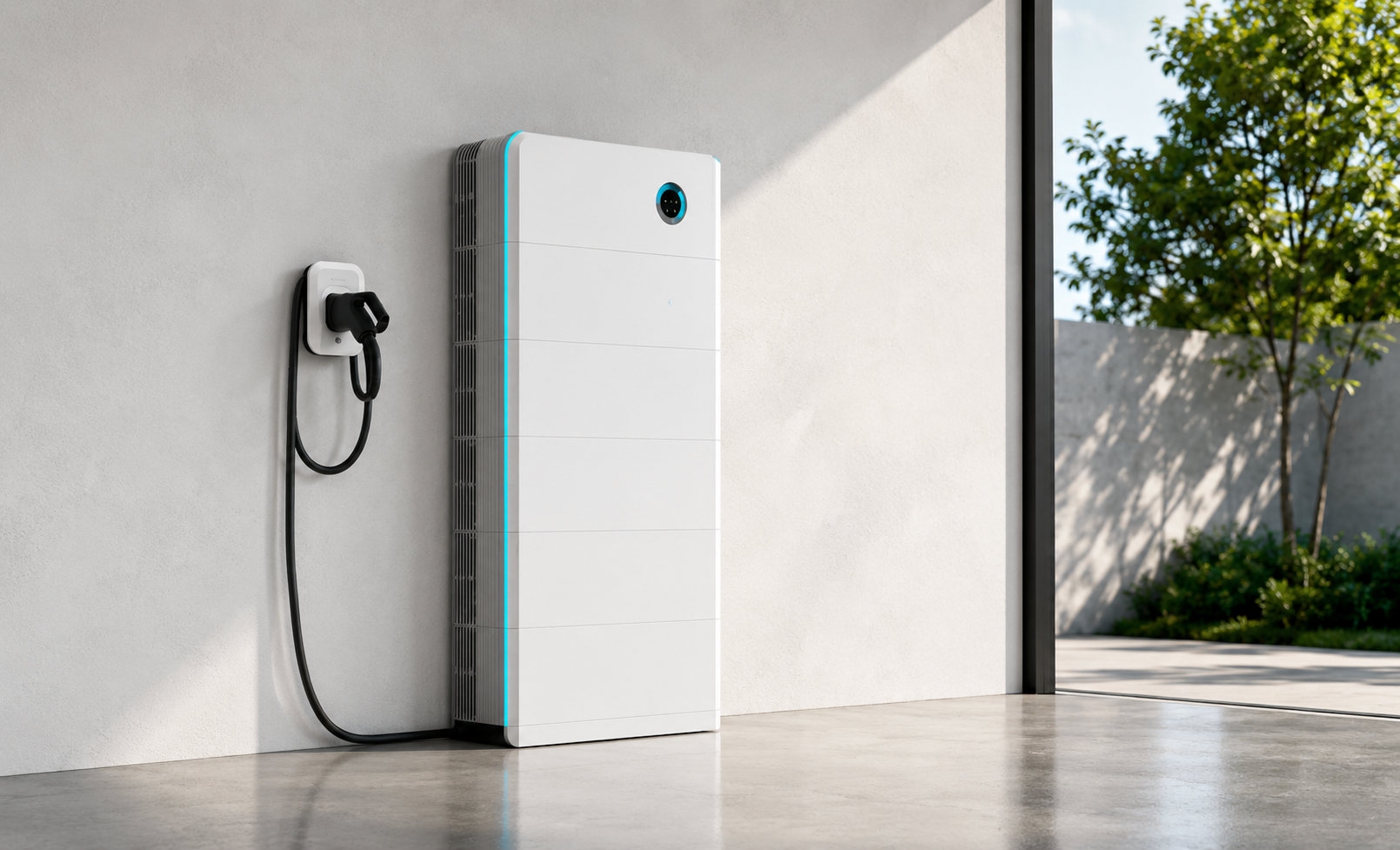
With a battery storage system, excess solar electricity can be used to charge your battery during the day.
Once the sun goes down and your solar panels stop generating electricity, your home can draw power from the stored energy in the battery.
Instead of sending all your unused daytime solar energy away, you can keep more of that energy available for later.
What Happens at Night?
After sunset, your solar panels generally stop producing electricity because there is no longer enough sunlight for meaningful generation.
Your home still needs electricity, though.
This is when your system determines where your electricity comes from.
Without a battery:
Solar panels stop generating → home needs electricity → electricity is imported from the grid.
With a battery:
Solar panels stop generating → battery supplies stored electricity → grid electricity may only be needed when the battery is depleted or demand exceeds the battery’s available output.
Why Solar Batteries Matter
One of the biggest challenges with traditional rooftop solar is the mismatch between when solar energy is produced and when households use electricity.
Solar generation is usually strongest during the middle of the day.
But many households use more electricity in the late afternoon and evening—when people return home, cook dinner, run appliances, use air conditioning and settle in for the night.
A battery helps bridge that gap.
Day
☀️ Solar panels generate electricity
↓
🏠 Your home uses what it needs
↓
🔋 Excess electricity charges the battery
Night
🌙 Solar generation stops
↓
🔋 Battery supplies stored energy
↓
🏠 Your home continues using electricity
Does a Battery Mean You Never Use Grid Power?
Not necessarily.
A battery can reduce your reliance on grid electricity, but it doesn’t automatically mean your home will be completely independent of the grid.
Your actual results depend on factors such as:
- Your solar system size
- Battery capacity
- Household electricity consumption
- Weather and seasonal solar production
- Evening and overnight energy usage
- Battery charging and discharge settings
- Your electricity tariff
During periods of high electricity consumption or low solar generation, you may still need to draw electricity from the grid.
What Happens on Cloudy or Rainy Days?
Solar panels can still generate electricity on cloudy days, but their output may be lower than on a bright sunny day.
If your solar system doesn’t generate enough electricity to meet your home’s needs, your system can use available battery energy or draw electricity from the grid, depending on your setup.
This is another reason system sizing matters.
A good solar and battery system isn’t simply about installing the biggest possible panels or battery. It should be designed around how your household actually uses electricity.
How Much Solar Energy Can Your Battery Store?
A battery’s capacity is measured in kilowatt-hours (kWh).
For example, a battery with a 10 kWh usable capacity can theoretically provide up to 10 kWh of usable stored energy under the conditions specified by the manufacturer.
But your actual available energy can vary depending on the battery’s usable capacity, efficiency, operating conditions and system settings.
That’s why battery sizing should be based on your home’s consumption rather than simply choosing a capacity based on the headline number.
Solar + Battery: Making More of Your Own Energy
The goal of adding a battery isn’t simply to store electricity.
It’s to improve the way your solar energy matches your household’s electricity consumption.
Instead of generating solar power at midday and potentially exporting a large portion of it, a battery gives you another option: store some of that energy and use it later.
For households with significant evening electricity consumption, this can make a solar-plus-battery system particularly attractive.
Is a Solar Battery Right for Your Home?
A battery may be worth considering if:
- Your household uses a lot of electricity after sunset.
- You regularly export excess solar power during the day.
- You want to increase your use of self-generated solar energy.
- You want greater control over when you use stored energy.
- You’re considering upgrading an existing solar system.
- You want to explore backup-power options.
However, the right system depends on your household’s energy profile, existing solar system and local electricity plan.
The Bottom Line
Your solar panels don’t stop being useful when the sun goes down—they simply stop generating electricity.
Without battery storage, your home generally switches to grid electricity once solar generation is unavailable.
With a battery, some of the excess energy generated during the day can be stored and used after sunset.
Solar generates the power. A battery helps you use more of it when you actually need it.
If you’re considering solar or battery storage for your home, the first step is understanding how much electricity you use, when you use it and how much solar energy your current system generates.
At Ur Local Solar, we help homeowners understand their energy usage and explore solar and battery solutions designed around their needs.