
Installing solar panels is one of the smartest ways Australian homeowners can reduce their reliance on the electricity grid and take control of rising energy costs. But what happens when your electricity bills are still higher than expected?
If your solar system is generating electricity but your savings don’t seem to match, there could be several reasons.
The good news is that it doesn’t always mean your solar system is faulty. Your energy usage, system size, electricity plan, panel performance and battery setup can all affect how much you actually save.
Here are five common reasons your solar panels may not be delivering the savings you expected.

1. Your Solar System May Be Too Small for Your Energy Usage
When your solar system was installed, it may have been designed around your electricity consumption at the time.
But energy usage can change.
You may now have:
- More people living in the home
- A larger home office setup
- Additional air conditioners
- An electric vehicle
- A pool or spa
- More appliances
- Higher heating or cooling requirements
If your household is consuming more electricity than your solar system can generate, you’ll continue purchasing power from the grid.
What can you do?
Review your electricity bills and compare your total energy consumption with the amount of solar energy your system generates.
If your energy requirements have increased significantly, a professional solar assessment can determine whether adding more panels, upgrading your inverter or considering battery storage could improve your overall savings.
2. You May Be Using Most of Your Electricity at the Wrong Time
Solar panels generate electricity during daylight hours, with production generally strongest around the middle of the day.
However, many Australian households use the most electricity in the morning and evening.
Think about your typical day:
Morning:
Lights, showers, cooking and appliances are running while solar production is still building.
Middle of the day:
Solar production is at its strongest, but the house may be empty.
Evening:
The family returns home, air conditioning, cooking, TVs and other appliances are running—but solar production has dropped significantly.
This can result in you exporting excess solar during the day while purchasing electricity from the grid later.
How can you improve solar self-consumption?
Where practical, consider running high-energy appliances during daylight hours.
For example:
- Washing machine
- Dishwasher
- Pool pump
- Hot water system
- Air conditioning
- EV charging
Using more of your solar electricity directly can increase the value you get from your system.
3. Your Panels May Not Be Producing Their Full Potential
Solar panels don’t always produce the same amount of electricity every day.
Performance can be affected by:
- Dirt and dust
- Bird droppings
- Nearby trees
- Building shadows
- Panel degradation
- Inverter issues
- Damaged components
- Poor system design
- Extreme weather conditions
Even partial shading can affect the performance of a solar array, depending on the system configuration.
If your solar generation has suddenly dropped compared with previous months or years, it’s worth investigating.
Check your solar monitoring system
Many modern solar systems provide monitoring through an app or online portal.
Look for unusual drops in daily or monthly generation.
If your system appears to be producing significantly less energy than expected, a qualified solar professional can inspect the system and identify potential issues.
4. You Could Be Exporting Too Much Solar to the Grid
This is one of the biggest reasons homeowners misunderstand their solar savings.
Your solar panels may generate plenty of electricity, but if you aren’t using that electricity when it is produced, the excess may be exported to the grid.
The problem?
The amount you receive for exported electricity through your feed-in tariff can be considerably lower than the price you pay when purchasing electricity from the grid.
For example, you could export excess solar during the afternoon and then buy electricity from the grid in the evening when your household demand increases.
This is why solar self-consumption is so important.
Could a battery help?
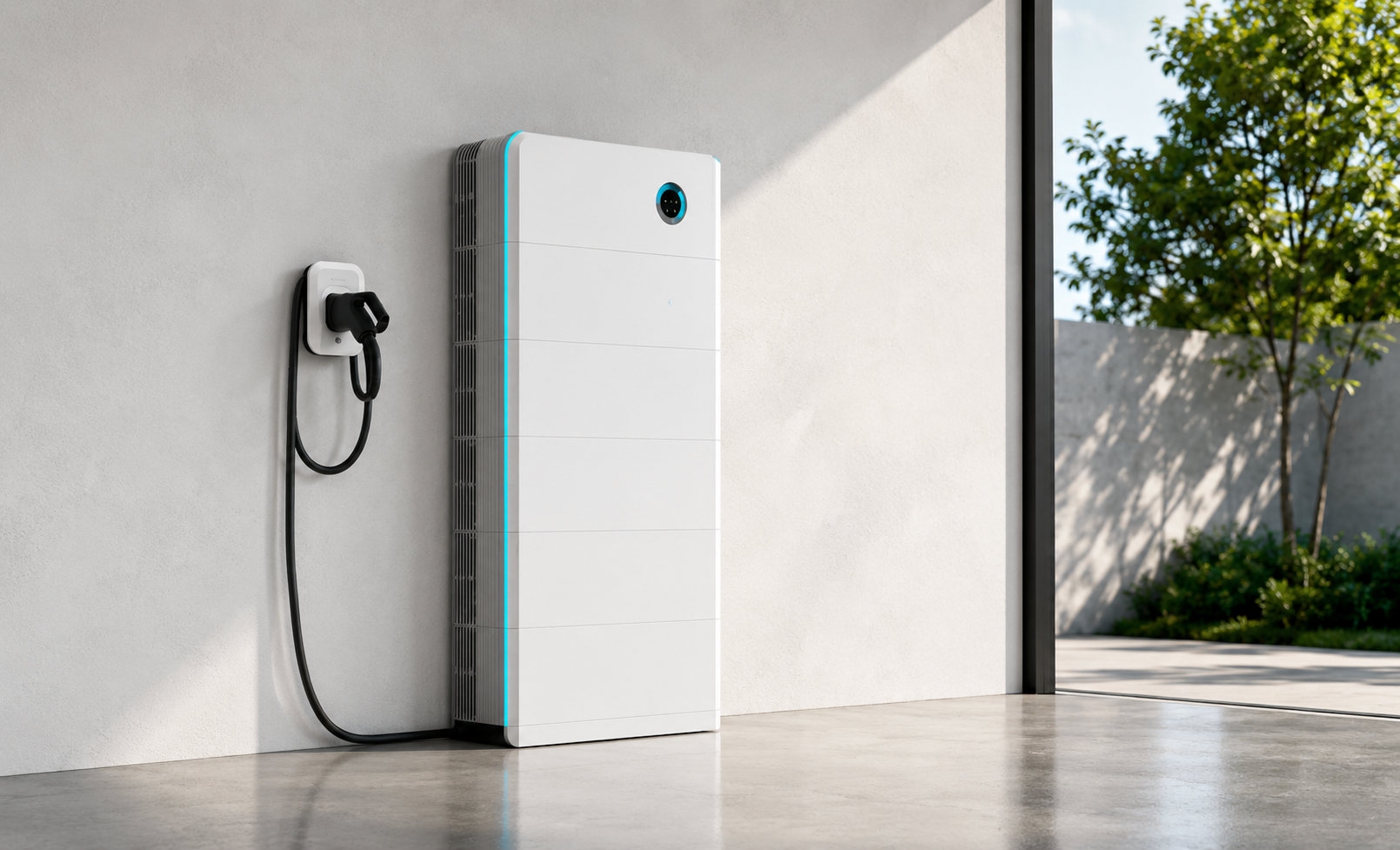
A solar battery can store excess electricity generated during the day so it can be used later when your panels aren’t producing enough.
Instead of exporting unused solar during the afternoon, you can potentially store it and use that energy in the evening.
Whether a battery makes financial sense depends on factors such as your electricity usage, solar generation, electricity tariff, battery size and available incentives.
5. Your Electricity Plan May Not Be Right for Your Solar System
Your solar system isn’t the only thing affecting your electricity bill.
Your electricity retailer and tariff can also have a major impact on your final costs.
Two households with identical solar systems can potentially achieve different savings simply because they are on different electricity plans.
Important factors can include:
- Electricity usage rates
- Feed-in tariffs
- Time-of-use pricing
- Daily supply charges
- Peak and off-peak rates
- Battery-related tariffs
If you haven’t reviewed your electricity plan since installing solar, it may be worth comparing your current plan with other available options.
However, don’t choose a plan based solely on the highest advertised feed-in tariff. Look at the entire electricity rate structure and your actual household consumption.
How to Know If Your Solar System Is Performing Properly
If your electricity bill isn’t falling as expected, don’t immediately assume your solar system isn’t working.
Start by looking at four key numbers:
1. Total electricity consumption
How much electricity is your household using?
2. Solar generation
How much electricity are your panels actually producing?
3. Solar self-consumption
How much of your solar electricity are you using directly?
4. Grid import and export
How much electricity are you buying from and sending back to the grid?
Looking at these numbers together gives you a much clearer picture of your solar system’s performance.
What About Solar Batteries?
For households that generate significant excess solar during the day but consume a lot of electricity in the evening, battery storage can be worth considering.
A battery can help shift your solar energy from daytime to evening use, potentially reducing your dependence on grid electricity.
However, a battery isn’t automatically the right choice for every home.
The ideal solution depends on your:
- Household energy consumption
- Solar system size
- Electricity tariff
- Existing solar generation
- Evening electricity usage
- Battery capacity
- Budget
- Available government incentives
A professional assessment can help determine whether battery storage is likely to improve your energy savings.
Don’t Judge Your Solar System by One Electricity Bill
Solar production changes throughout the year.
Winter typically brings different solar generation patterns compared with summer. Weather, household consumption and electricity prices can also change.
Instead of looking at just one bill, compare your energy data across several months.
This can help identify whether you’re dealing with a temporary change or an ongoing performance issue.
Get More From the Solar System You Already Have
Solar panels are an investment designed to reduce your dependence on grid electricity—but getting the maximum financial benefit requires more than simply installing panels on your roof.
Your system size, energy consumption, solar generation, electricity usage patterns, battery storage and electricity plan all work together to determine your actual savings.
If your bills aren’t as low as you expected, it may be time to look beyond the panels themselves.
Ur Local Solar helps homeowners across South Australia and New South Wales understand their solar options, improve energy efficiency and explore solar and battery solutions suited to their household.