
A solar battery is one of the best investments you can make to reduce electricity bills and maximise your solar energy usage. Whether you’ve recently installed a battery or have had one for several years, proper maintenance is essential to keep it performing efficiently for years to come.
While modern lithium-ion batteries require very little maintenance, a few simple practices can significantly improve their performance, extend their lifespan, and help you get the most from your investment.
In this guide, we’ll explain everything Australian homeowners need to know about maintaining their solar battery.
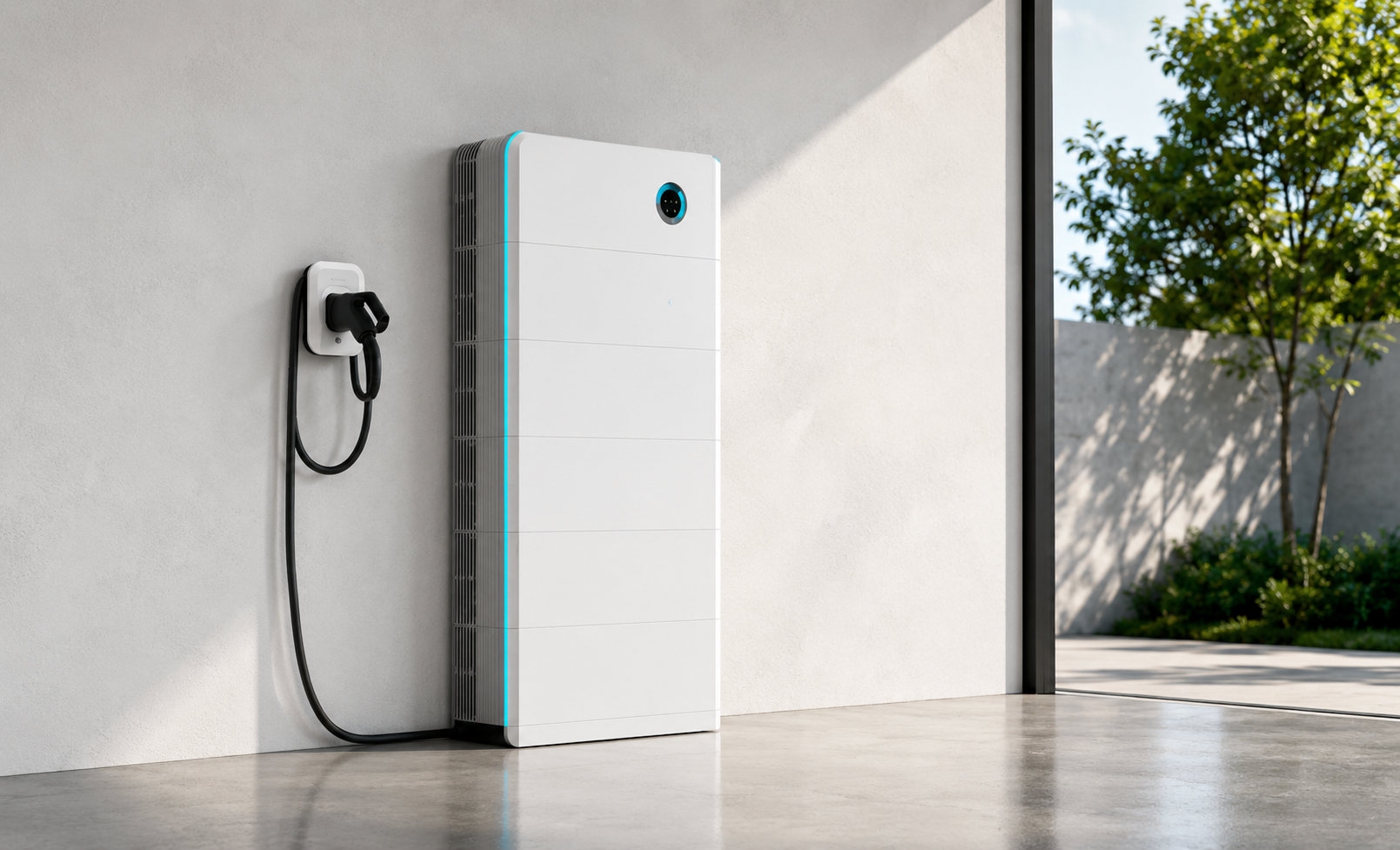

1. Keep Your Battery at the Right Temperature
Heat is one of the biggest factors affecting battery performance.
Australian summers can become extremely hot, making installation location very important.
Ideal battery temperature:
- Between 15°C and 30°C
Avoid installing batteries:
- In direct sunlight
- Next to hot walls
- Inside poorly ventilated sheds
- Near heating equipment
Professional installers usually recommend shaded, ventilated locations like garages or protected outdoor walls.
2. Monitor Battery Performance Regularly
Most modern solar battery systems include a mobile app or monitoring platform.
Check regularly for:
- Daily charge levels
- Battery health
- Energy usage
- Charging cycles
- System alerts
- Backup performance
Early detection of unusual behaviour can prevent costly issues later.
3. Avoid Fully Draining the Battery
Lithium batteries perform best when they are not completely discharged.
Many systems automatically maintain a safe minimum charge level, but it’s still good practice to avoid unnecessary deep discharges whenever possible.
This helps extend battery life over thousands of charging cycles.
4. Keep the Area Around the Battery Clean
Dust, leaves, insects and clutter can restrict airflow.
Regularly:
- Remove dust
- Clear debris
- Keep ventilation openings unobstructed
- Ensure no water pools around the battery
Never spray water directly onto the battery.
5. Schedule Professional System Inspections
Even though solar batteries require little maintenance, professional inspections are recommended every few years.
A qualified technician can check:
- Electrical connections
- Battery health
- Software updates
- Safety systems
- Performance optimisation
Preventative servicing often avoids expensive repairs later.
6. Update Battery Software
Many premium battery manufacturers release software updates that improve:
- Charging efficiency
- Battery management
- Performance
- Safety features
If your system supports remote updates, ensure they’re enabled or ask your installer to perform updates during servicing.
7. Protect Your Battery During Extreme Weather
Australia experiences:
- Heatwaves
- Heavy storms
- Flooding
- Bushfire conditions
Protect your battery by:
- Installing weather protection where appropriate
- Ensuring adequate drainage
- Keeping vents clear
- Following manufacturer recommendations during severe weather
8. Don’t Overload Your Battery
Using more energy than your battery is designed to supply may reduce efficiency.
Consider:
- Running large appliances during daylight hours
- Using smart energy management
- Monitoring evening consumption
This helps reduce unnecessary strain on your battery.
9. Watch for Warning Signs
Contact your installer if you notice:
- Reduced storage capacity
- Longer charging times
- Frequent system errors
- Unexpected shutdowns
- Unusual noises
- Excessive heat
- Physical damage
Prompt attention can prevent larger issues.
10. Choose Quality Installation from the Start
Long-term battery performance starts with proper installation.
A professionally installed battery system ensures:
- Correct ventilation
- Safe wiring
- Optimal positioning
- Maximum efficiency
- Manufacturer warranty compliance
Always choose a Clean Energy Council (CEC) accredited installer for Australian installations.
How Long Do Solar Batteries Last?
Most quality lithium-ion solar batteries last:
| Battery Type | Expected Lifespan |
|---|---|
| Lithium-Ion | 10–15 years |
| LFP (Lithium Iron Phosphate) | 12–15+ years |
| Lead Acid | 5–10 years |
Actual lifespan depends on:
- Number of charge cycles
- Temperature
- Usage habits
- Installation quality
- Maintenance
Simple Maintenance Checklist
✓ Monitor battery performance weekly
✓ Keep battery area clean
✓ Maintain good ventilation
✓ Avoid unnecessary deep discharges
✓ Schedule professional inspections
✓ Update battery software
✓ Watch for warning alerts
✓ Protect from extreme weather
Frequently Asked Questions
Do solar batteries require regular maintenance?
Modern lithium-ion batteries require very little maintenance, but regular monitoring and occasional professional inspections help maximise lifespan and efficiency.
Can high temperatures damage my battery?
Yes. Excessive heat can reduce battery efficiency and shorten its lifespan. Installing the battery in a shaded, well-ventilated location is important.
How often should my battery be inspected?
Most experts recommend a professional inspection every 2–5 years, or sooner if your system displays faults or performance issues.
Can I clean the battery myself?
Yes. Keep the surrounding area clean and free from dust or debris, but avoid opening the battery enclosure or spraying it directly with water.